
UMPH02 is a small custom-made MIDI controller I designed and crafted as an alternative to standard commercial devices. The project started from a simple observation: most controllers available on the market are built for mass production, not for the specific needs of live performers or electronic musicians working in intimate or experimental settings. Being part of a small electronic music collective in Paris, I often saw artists adapt their workflows to the hardware they had rather than the opposite. This became the starting point for a more personal exploration.
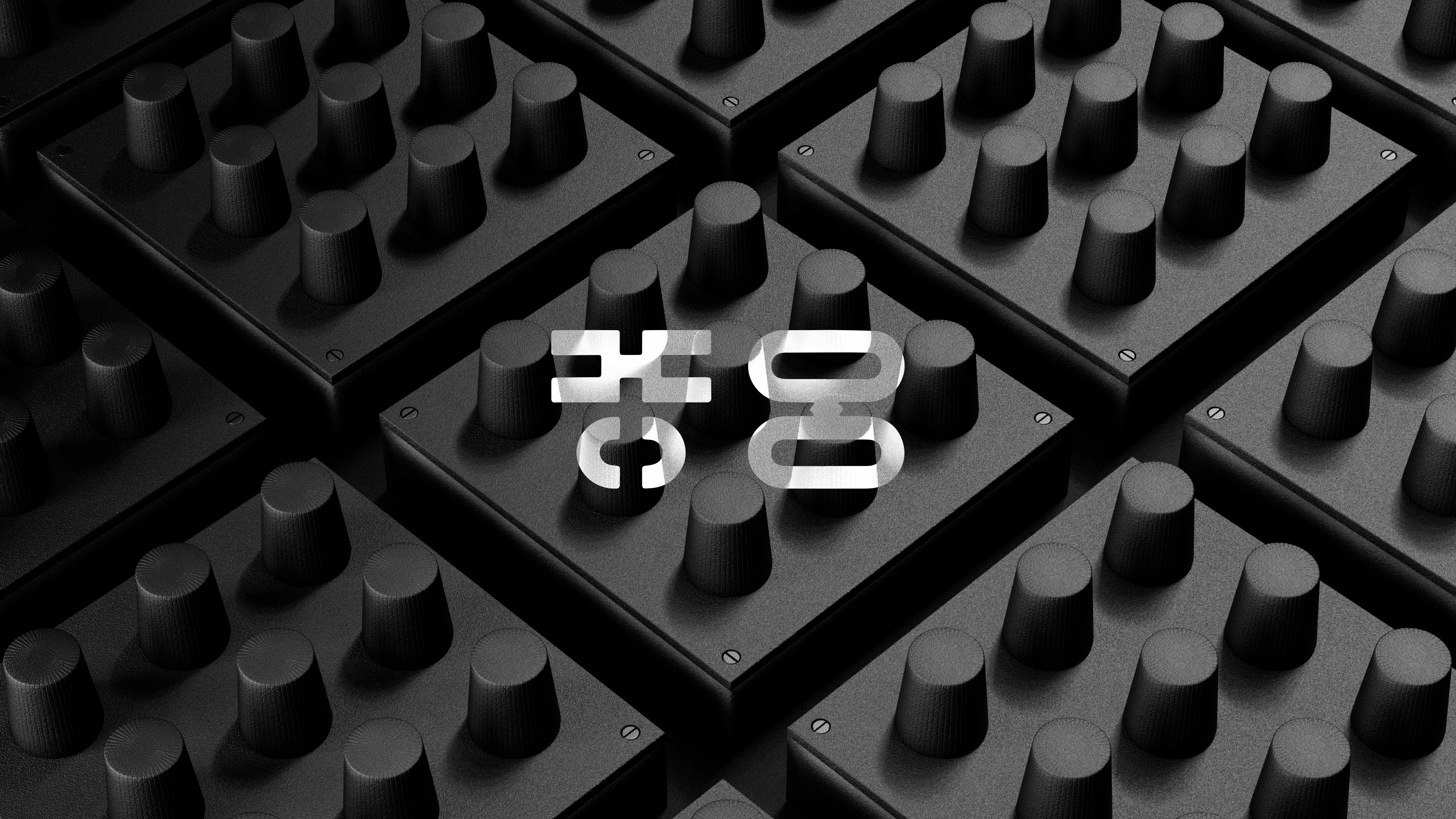
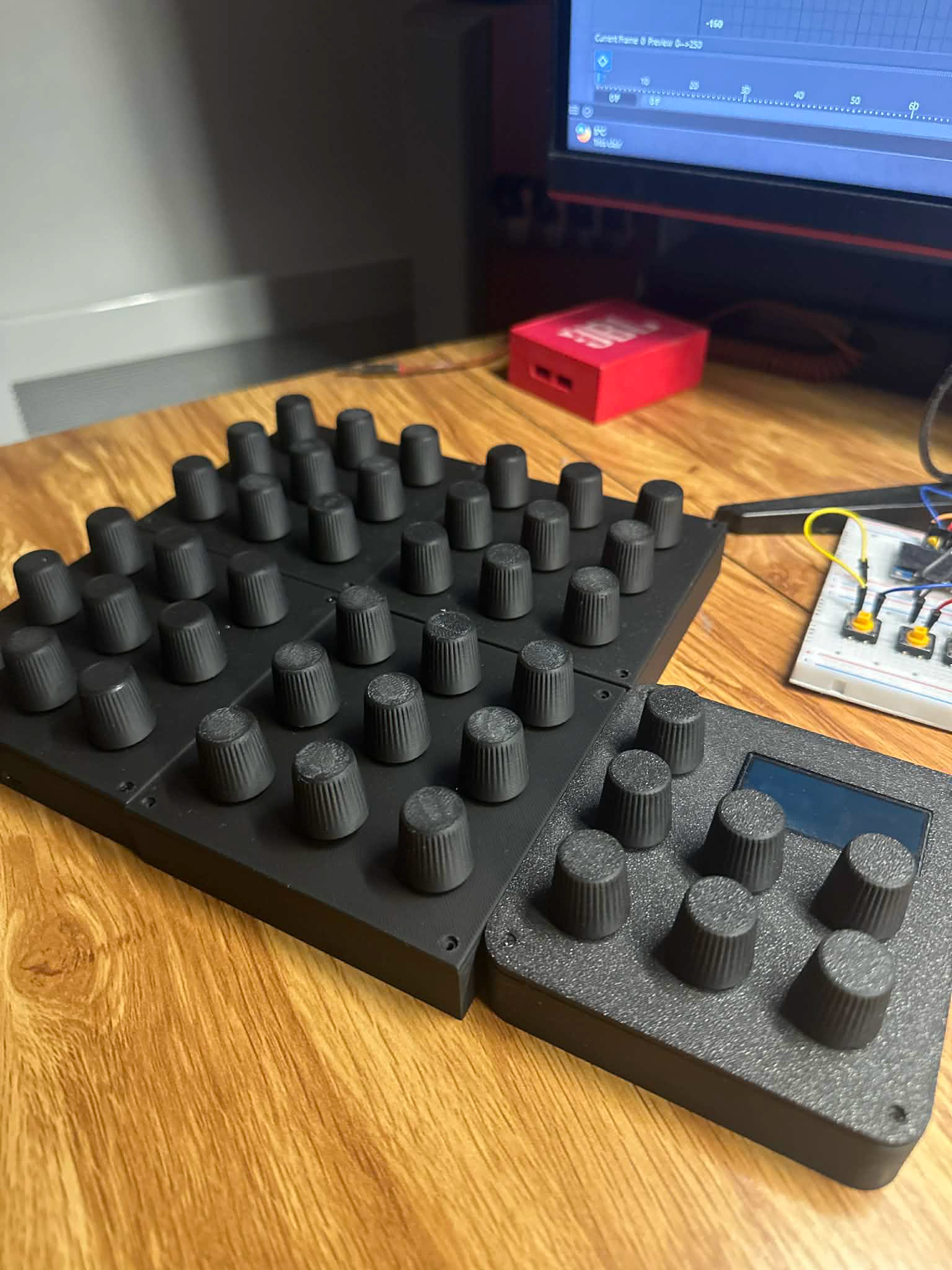
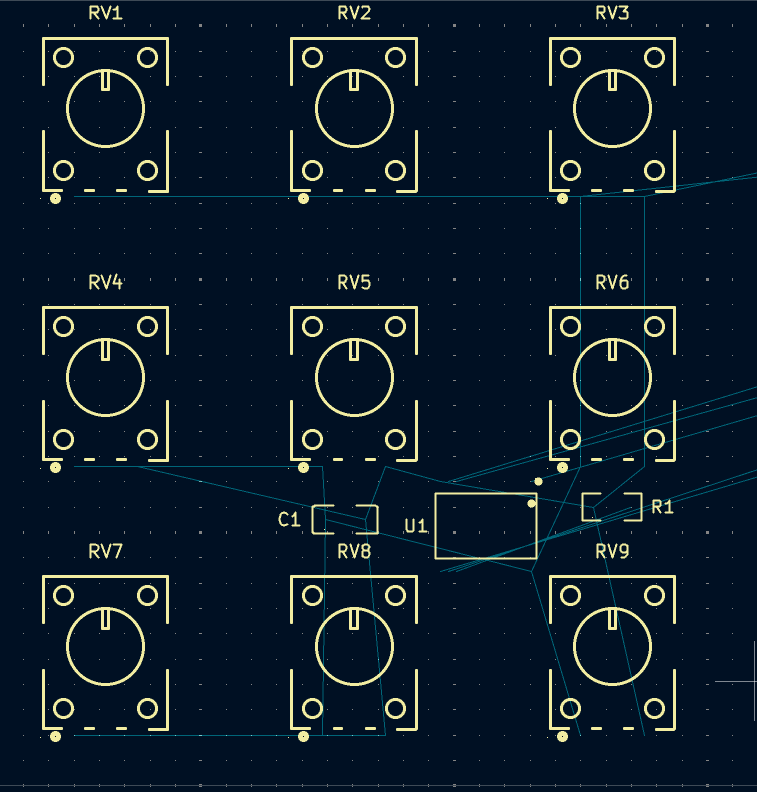
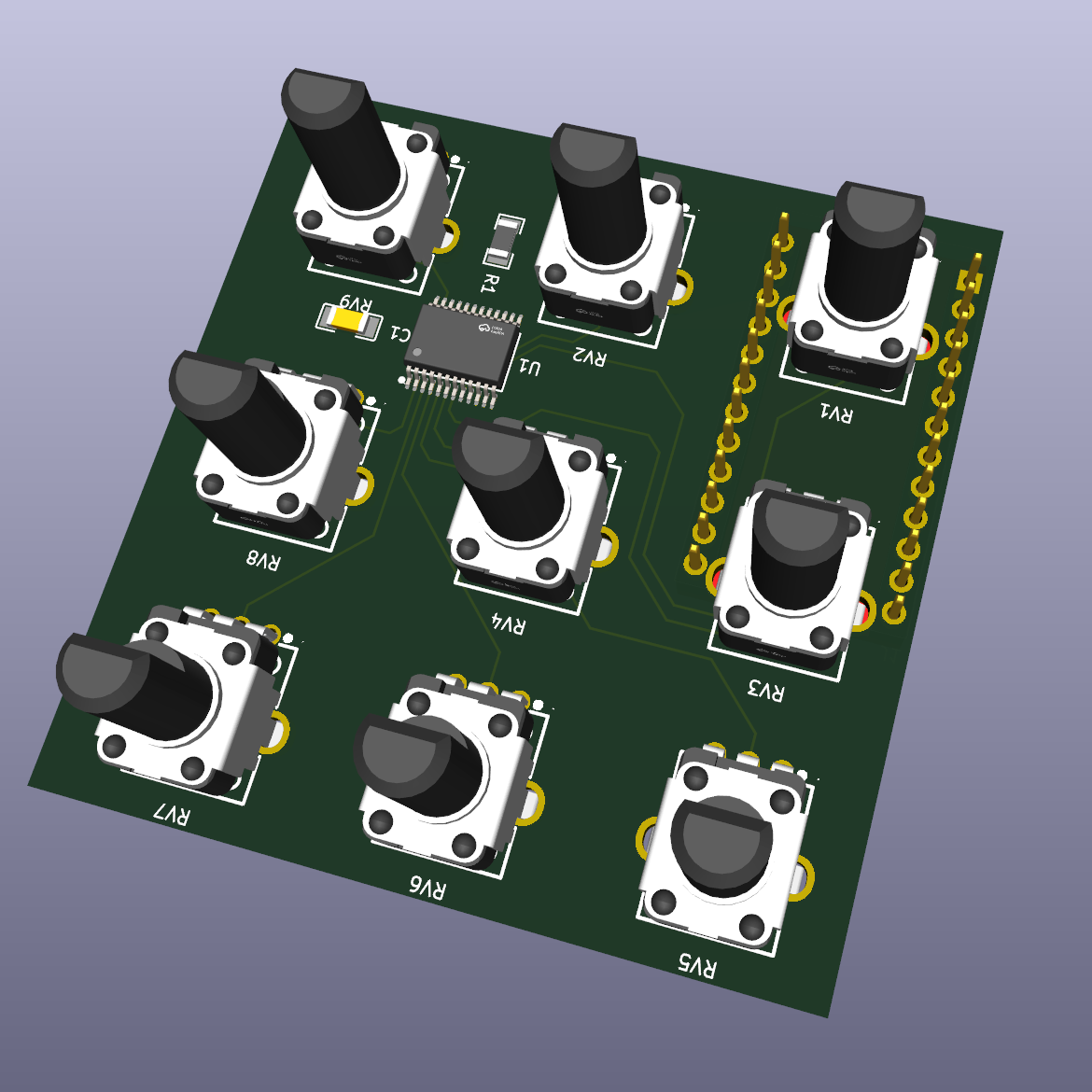
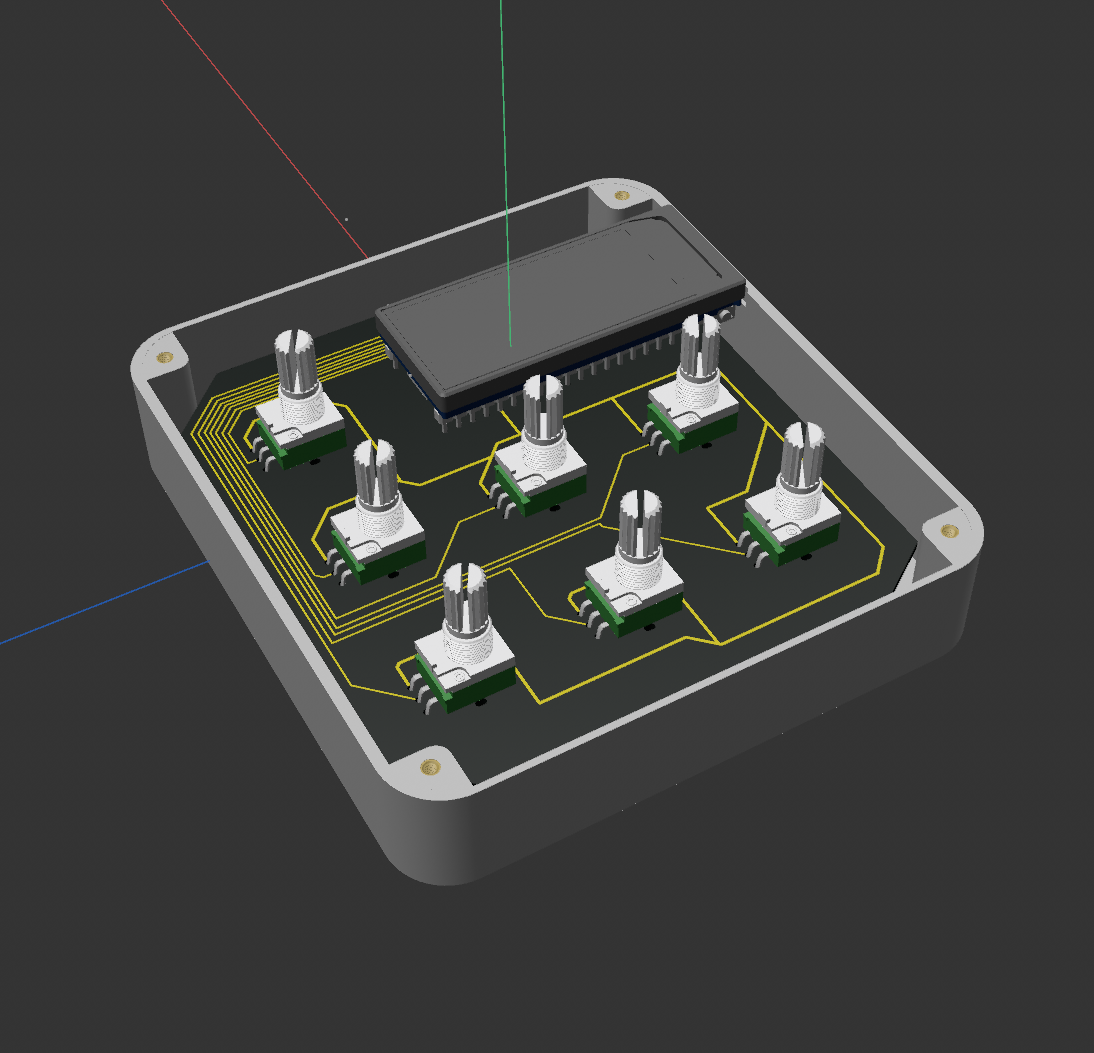
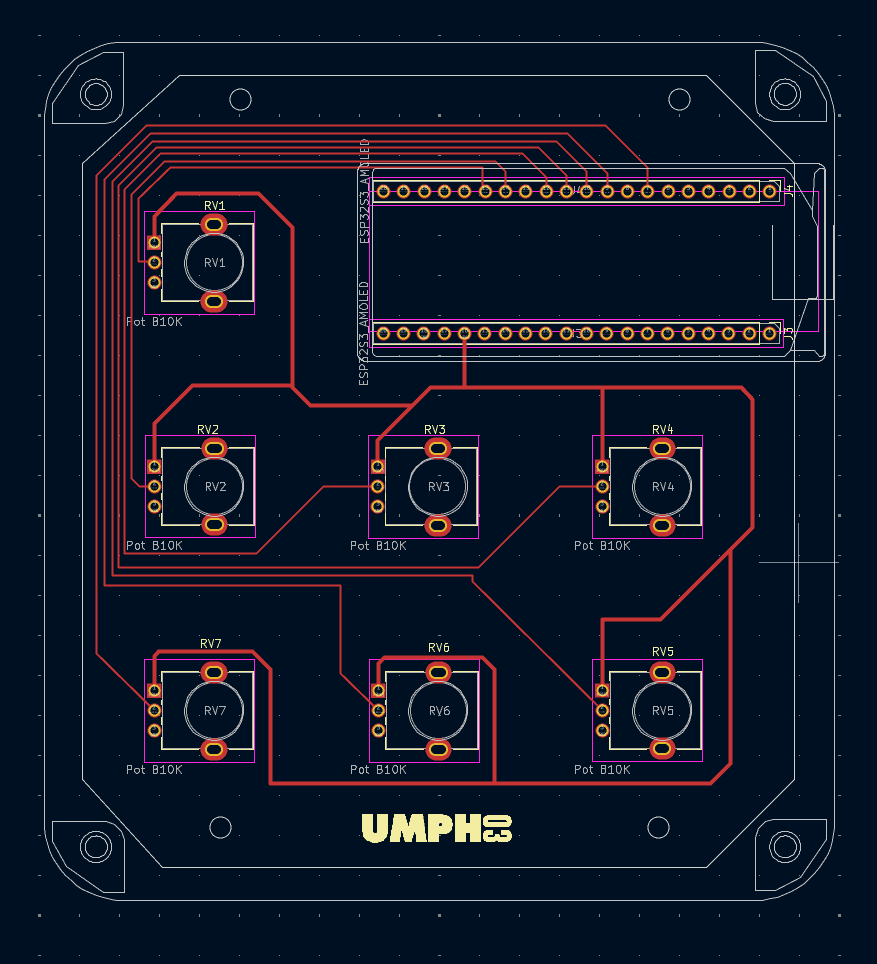
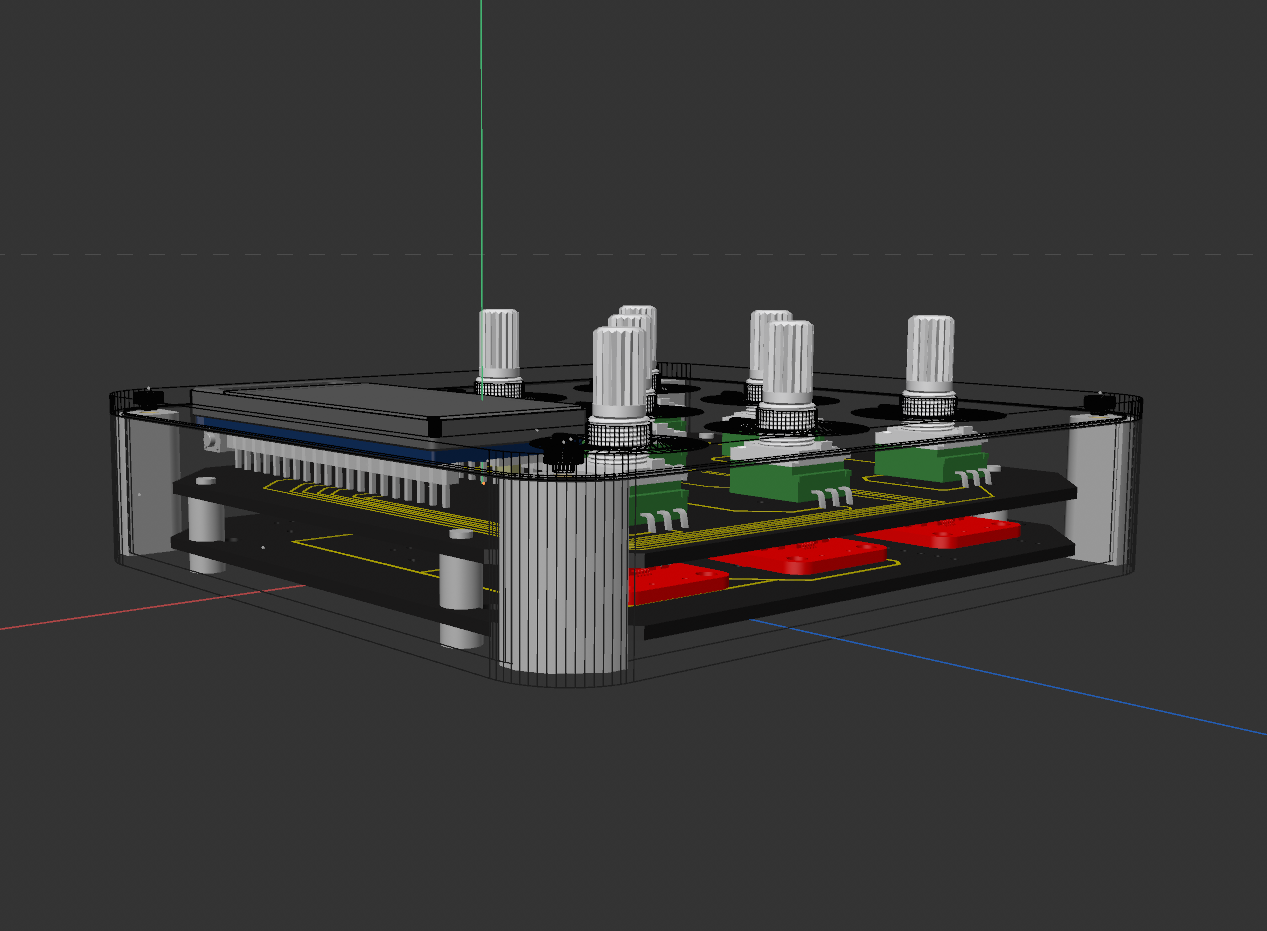
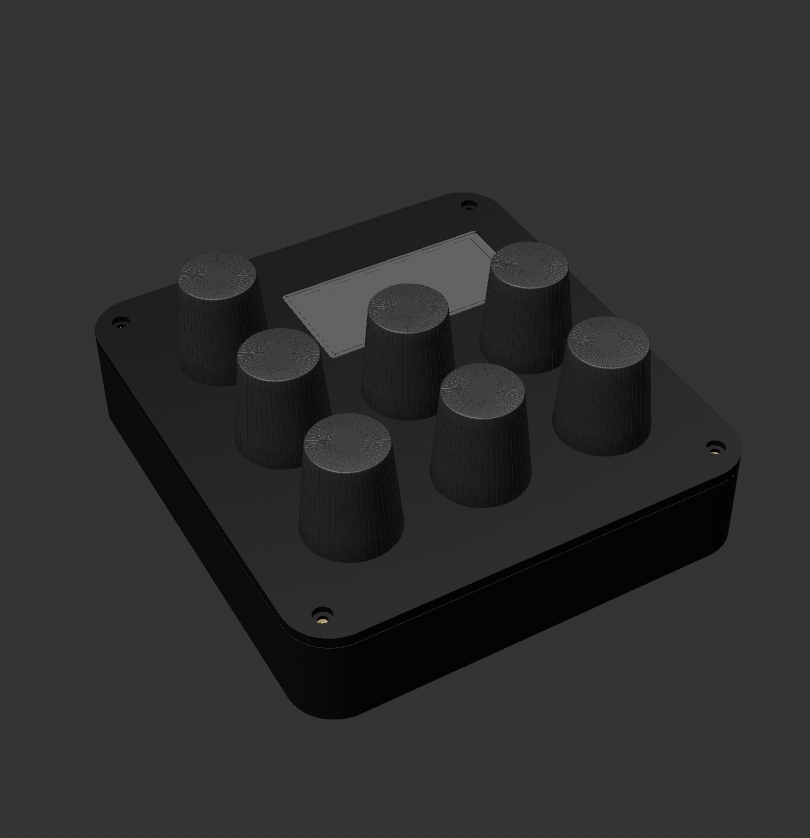
The controller features nine analog potentiometers and communicates through USB-MIDI. It is intentionally minimal, with no screens or complex layers, in order to provide a direct and tactile relationship between gesture and sound. The idea was to build a tool that feels immediate, reliable and easy to integrate into a live setup, whether for controlling effects, mixing, modulation or any custom mapping.
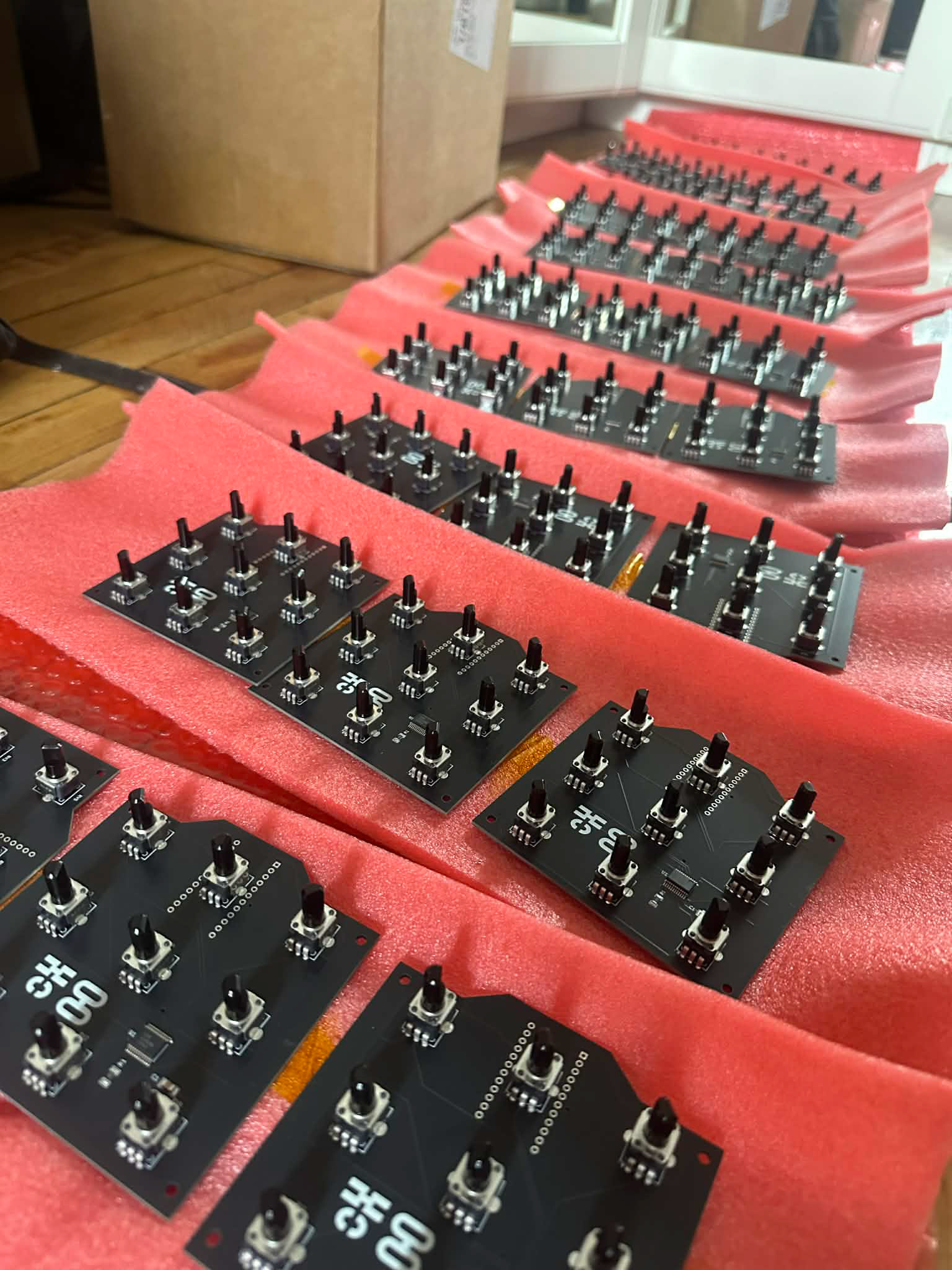
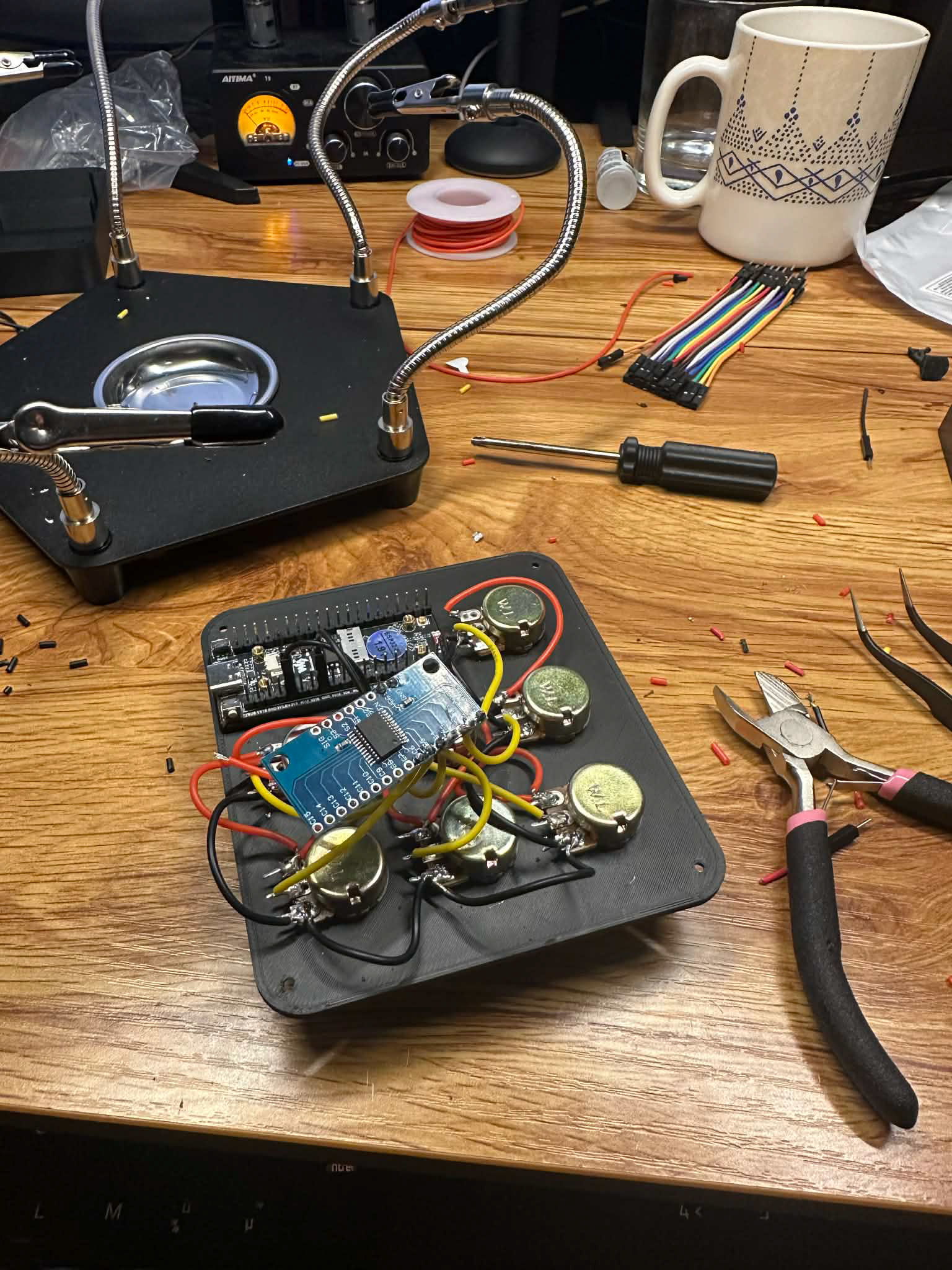
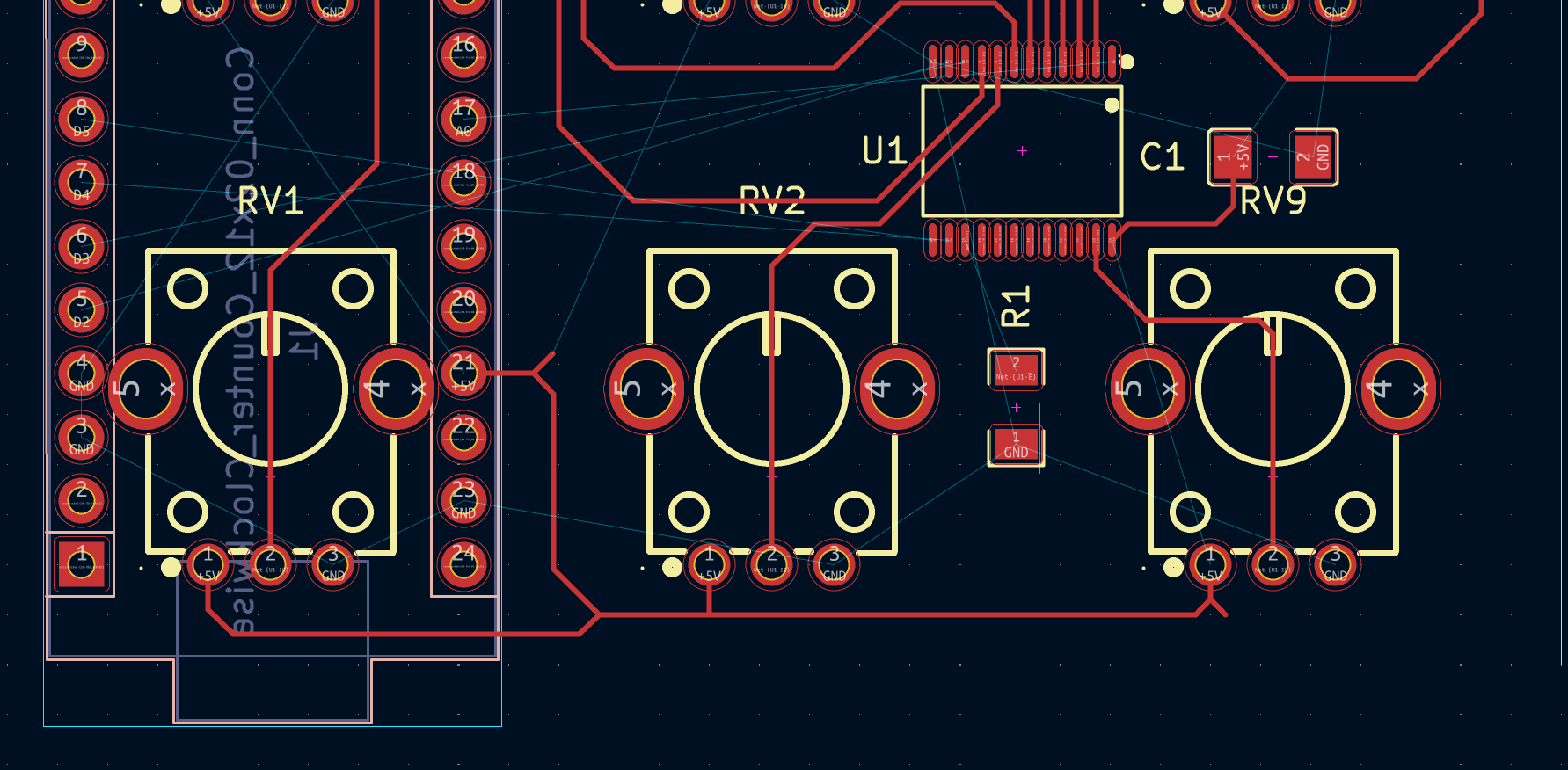
UMPH02 is entirely self-built. The enclosure is designed in 3D and printed in PLA using a custom geometry made for compactness and durability. The electronic section is based on a PCB that I designed in KiCad and had professionally assembled. It runs on a microcontroller using simple, transparent firmware that can be adapted or rewritten if needed. The internal layout, soldering, mechanical assembly and final testing are all done by hand.
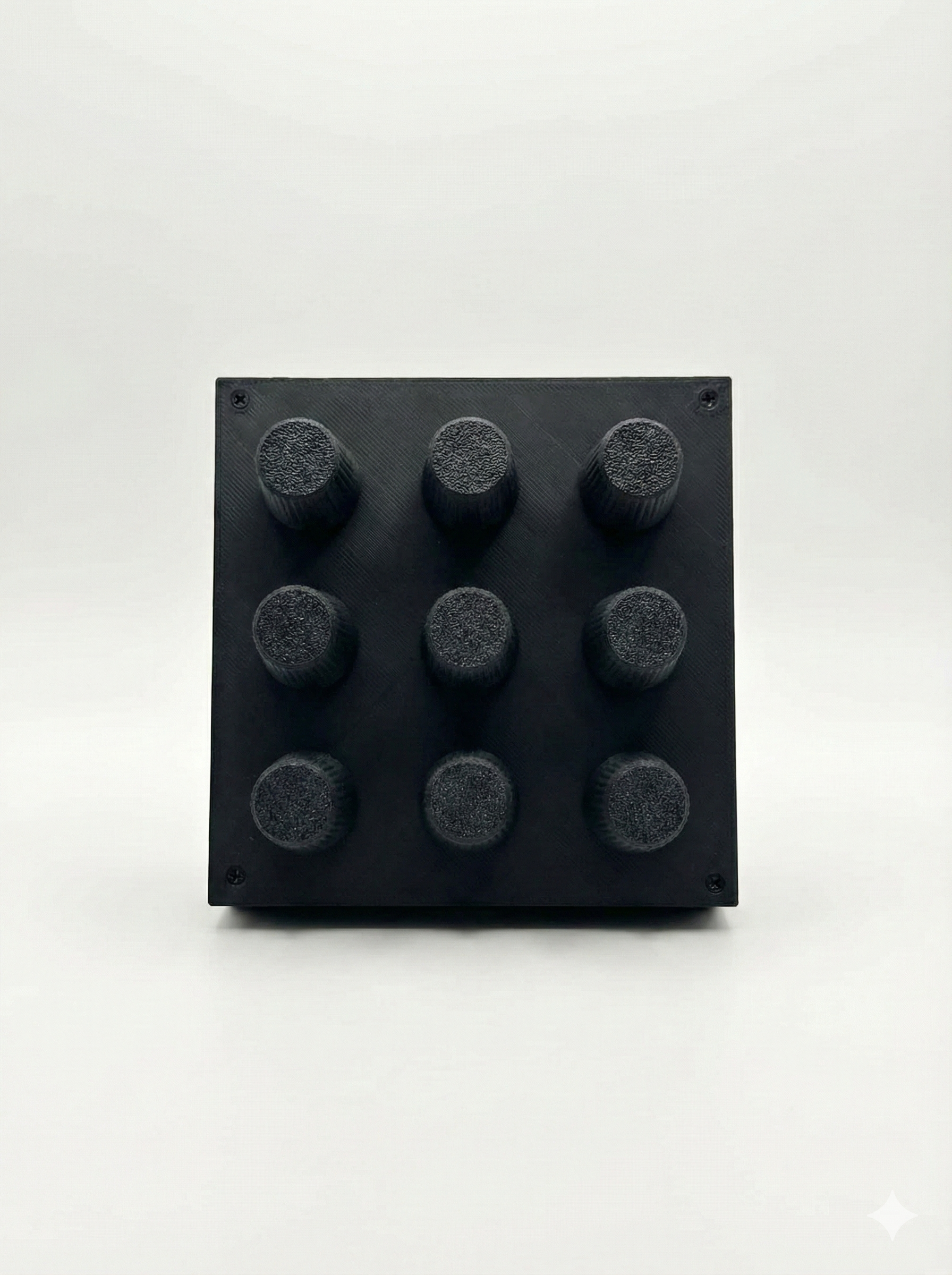
The project allowed me to explore several fields simultaneously: industrial design through the shape of the enclosure, electronic design through the PCB and component selection, and software through the firmware that handles MIDI communication. It is the type of object that sits at the intersection of my usual digital practice and my more recent interest in physical, functional tools.
UMPH02 is not meant to compete with commercial products but to exist as a personal interpretation of what a small MIDI device can be when designed on a human scale. It is built in small batches, with the intention of refining it over time based on use, feedback and future experiments in hardware design.